
As school resumes, each new semester introduces fresh rules and policies. Working as a virtual lab coordinator in credit recovery, I’ve witnessed how phone bans aim to enhance focus. However, does taking away one device make a significant difference?
It’s essential to evaluate both the benefits and drawbacks of this policy. A few key pros and cons stand out from my experience.
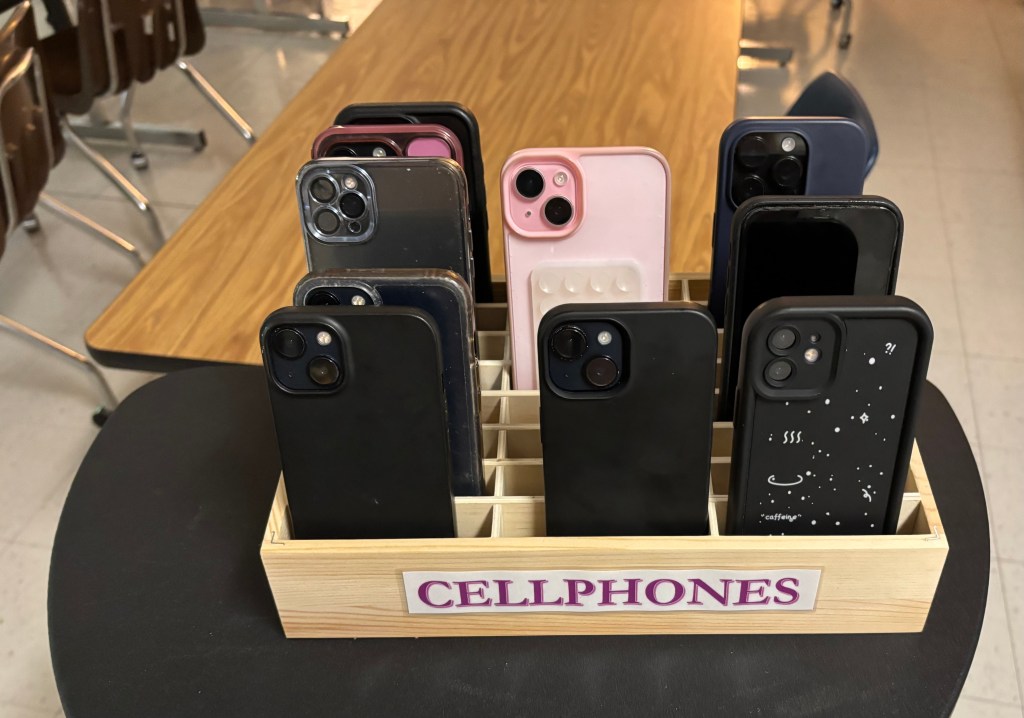
When students enter my classroom, I greet them at the door and direct them to a wooden storage unit for cell phones, which is placed on a podium for easy access. Most students automatically place their phones there, with only a few needing reminders. This structured approach sets the stage for meaningful interactions. For example, when one student claimed he didn’t have his phone, I responded, “I better not see it out of your bag.”
As I sat down to take attendance, he approached me and said, “I have to be honest with you,” while placing his phone on my desk. Instead of reprimanding him, I thanked him for his honesty. He already felt guilty, so adding to his discomfort seemed unnecessary.
This interaction creates a balance between enforcing rules and fostering a supportive environment. By warmly greeting students and providing a designated place for their phones, I create a structured yet inviting atmosphere. Acknowledging the student’s honesty not only fosters trust but also encourages a culture where students feel safe admitting their mistakes. This approach helps maintain classroom discipline while promoting personal growth and accountability.
Considering these efforts, in the few days since we returned, taking away their cellphones has reduced distractions by 80%. Out of 90 students, most are working to pass the class they previously failed, while the remaining 20% need redirection because of playing Minecraft on their school-issued devices, browsing YouTube, or falling asleep. Even though the school doesn’t allow phones during instructional time, students still have a way to access these distractions.
In a recent Associated Press article by Jeff Amy, one student suggested that instead of banning phones, schools should teach responsible use. It’s an interesting perspective, but as a parent who works in education, I believe lessons start at home. Educators already spend valuable time redirecting students to put their phones away—time that should be spent teaching. It’s not just a distraction; it’s a disruption to the entire learning environment.
In addition, limiting phone use not only enhances student engagement but also ensures that everyone is on the same page, especially during the first few days of school when not all coursework had been uploaded due to various schedule changes. Many students in each class inquired about using their phones, and I had to explain that it wasn’t permitted. This policy is not only a state requirement but is also crucial for maintaining fairness in the classroom. If I allow phone use while their next-period teacher does not, students could argue, “Well, Mrs. Michaud let us.”
This perspective is echoed in an article I read by Chelsea Hammer from Grand Valley State University, which states that the Rudyard Area Schools district prohibits cellphone use during school hours, with lunchtime as the only exception. Our policy is similar, permitting phone use during lunch and transition times. While Rudyard Area Schools leave the enforcement of this rule to individual teachers, it’s vital for all of us to consistently uphold it. Inconsistency could lead to students regaining control over their phone use, ultimately compromising the learning environment.
In response to their question, when students asked, “Well, what are we supposed to do?” I suggested, “Talk to your neighbor and get to know them.” Many students engaged in conversation, and a few worked on artwork together. Additionally, I provided a selection of books from the library in various genres for them to read if they felt bored. Disappointingly, only one out of 90 students picked up a book. That struck a chord with me as an avid reader, but that’s a conversation for another time.
While encouraging students to connect with each other is important, it also raises concerns about the balance between communication and focus during school hours.
According to the Pew Research Center, 68% of parents support banning cellphones during instructional time for reasons like reducing distractions and promoting social skills as stated above. However, 36% oppose a full-day ban, arguing that parents should decide on cellphone use, that contact is necessary, enforcement would be difficult, and cellphones can be useful educational tools.
Some parents have asked, “What if I need to get in touch with my child?” This question reminds me of the time before cell phones. Parents would simply call the school. In emergencies, schools also had effective protocols to contact parents. While technology has transformed our communication methods, the fundamental need for safety during emergencies hasn’t changed. That’s why we collect emergency contact numbers.
Constant contact from parents throughout the day can distract students, making them feel compelled to check their phones often. This distraction can lead to declining grades, prompting parents to reach out to teachers for assistance. Reflecting on my own school days, distractions certainly existed—whether it was passing notes or navigating social situations. Yet, we didn’t have the option for remediation; if you failed, you faced the consequences. Today, it seems there’s less accountability, resulting in a perception that education isn’t always taken as seriously as it once was.
As I consider these changes, I recognize my role as a parent in this dynamic. I’m on board with not allowing cellphones during instructional time. I’ve seen firsthand how easily they become a distraction—my own kids used to text me during class, asking to be dismissed simply because they were bored. Sometimes they’d even send pictures of classrooms where no teaching was happening, just students on their phones. It wasn’t about learning—it was about proving a point. While some parents appreciate the ability to stay connected throughout the day, others unintentionally undermine the focus students need to succeed. If we want to foster meaningful engagement, we have to be intentional about when and how technology shows up in the classroom.
So what do you think? Should states step in and ban cellphones during school hours? Or should parents call the shots?
 Exploring Life's Transitions with Words, Wanderlust, and Wisdom
Leave a comment