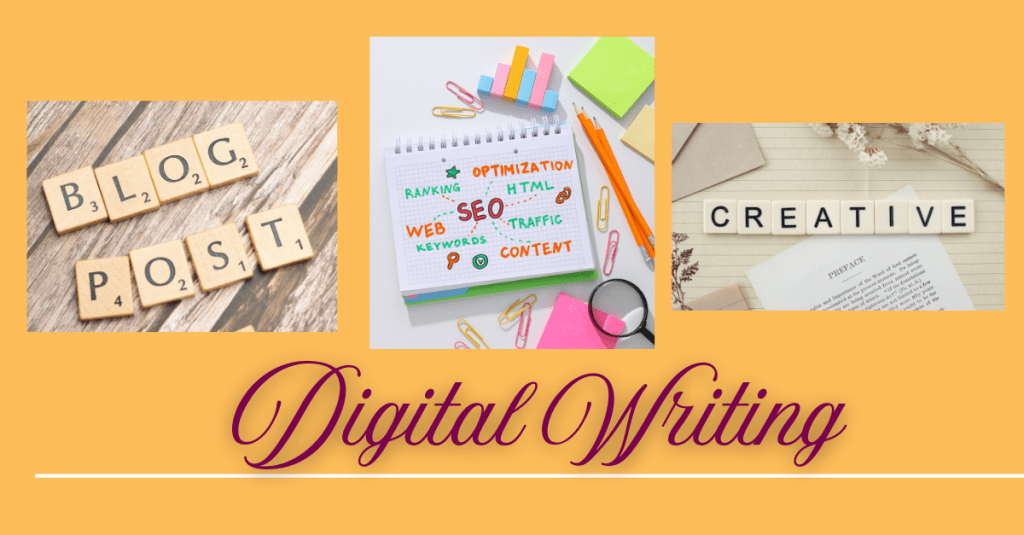
Why Creativity Needs Structure
In today’s fast-paced digital world, writing extends far beyond books and formal essays. Blogs, websites, social media posts, and multimedia articles dominate modern communication. While this shift offers immense creative freedom, it also demands structure for clarity, usability, and impact.
As a student and digital writing intern, I’ve learned that balancing creativity and structure is both an art and a science. It means delivering fresh ideas in formats that are readable, optimized, and tailored for short attention spans. This essay examines why both elements are important—and provides seven strategies for achieving balance in digital content creation.
The Heartbeat of Digital Expression
Creativity is the soul of compelling digital writing. It brings originality, emotion, voice, and perspective-qualities that capture attention and make content memorable. In a saturated digital space where millions of pieces of content are produced daily, creativity is what distinguishes a blog post from the thousands like it, or what makes a social media caption go viral.
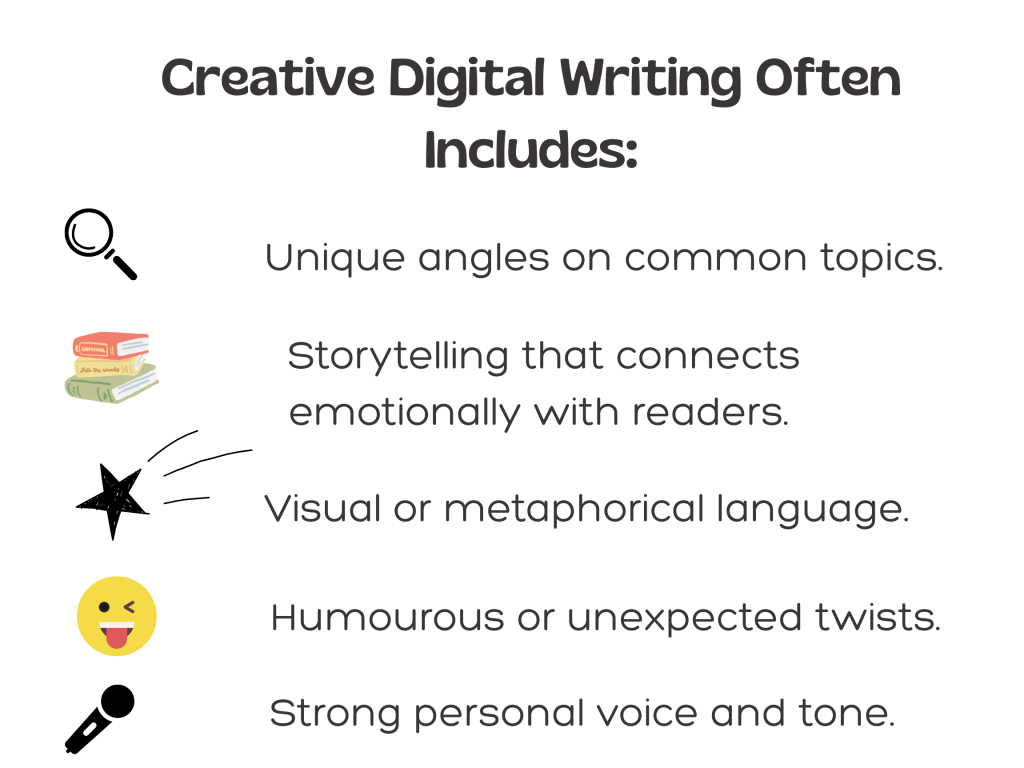
Creativity is also necessary to adapt content for various platforms. A tweet needs different wording than a YouTube description, and a personal blog post differs significantly from a LinkedIn article. The ability to tailor your message to suit different audiences and formats requires a flexible and inventive mindset.
Designing for Structure: The Power of Engagement
While creativity draws people in, structure keeps them engaged. Structure ensures the message is clear, coherent, and actionable. Unlike traditional writing, digital writing must cater to readers who often skim rather than read in depth. A solid structure helps guide these readers through the content quickly and effectively.
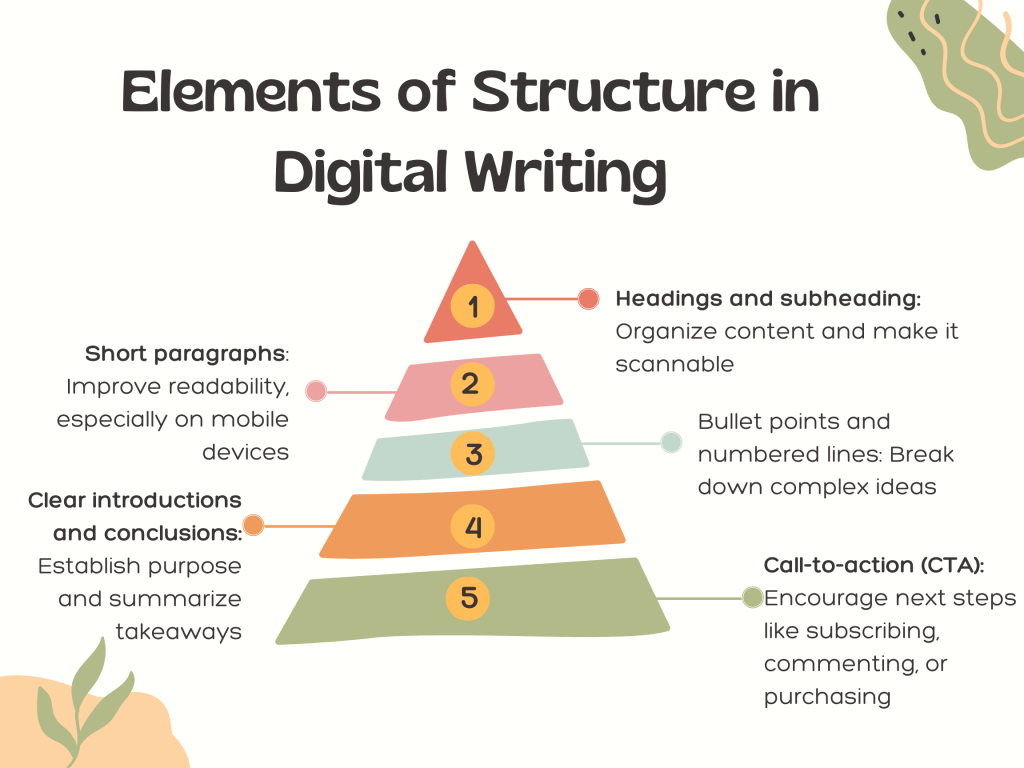
Structure is also critical for search engine optimization (SEO). Search engines favor content that is well-organized, keyword-rich, and easy to navigate. Without proper structure, even the most creative content may go unnoticed. You can use tools like Google Trends. These tools help shape content strategy without sacrificing originality.
7 Approaches to Balancing Creativity and Structure
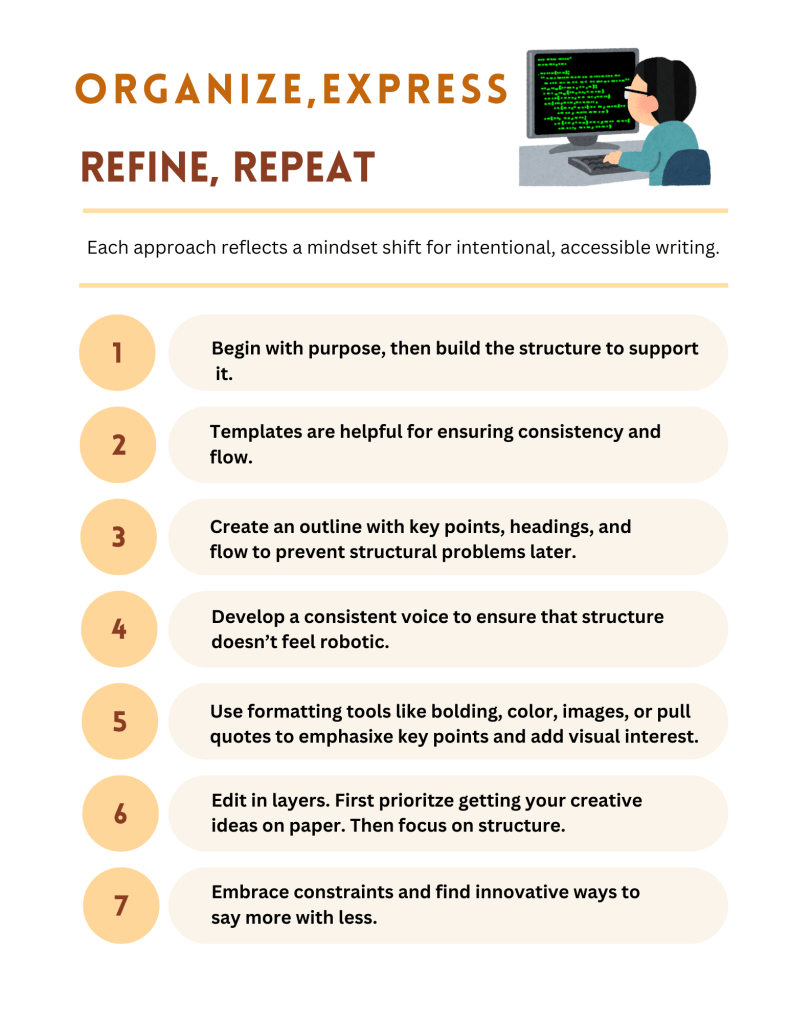
Balancing creativity and structure is key to crafting blog posts that are both engaging and clear. These seven approaches offer practical ways to blend originality with organization, helping your content stand out while staying easy to follow.
If you’re a visual learner or want to see these principles in action, this video by The Admin Bar offers a detailed walkthrough of blog post design using GenerateBlocks. It’s packed with practical tips and layout strategies that complement the ideas discussed here.
The Art of Standing Out
Many digital writers struggle with feeling that structure limits creativity. Strict word counts, content templates, SEO requirements, or brand guidelines can seem restrictive. On the other hand, creativity without structure can lead to confusing content. Such content may be hard to read or ineffective in achieving its purpose.
For example, a highly imaginative blog post that lacks paragraph breaks or logical flow may lose readers before the message is fully delivered. Likewise, a perfectly structured how-to article that lacks originality may not stand out from similar pieces.
The goal is not to choose one over the other but to integrate both seamlessly.
Bringing creativity and structure into harmony isn’t just a design choice—it’s a storytelling strategy. Whether you’re building with blocks, crafting with words, or experimenting with layout, the goal is the same: to create content that feels both intentional and inspired. With these tools and approaches, your blog can do more than inform—it can truly connect.
Inspired By
This story was created as part of a university assignment for my Digital Writing course. The narrative was generated using ChatGPT, and I served as the designer and content
architect—structuring, formatting, and refining the presentation.
While the project explores AI-assisted storytelling, all other writing and editorial work featured on this site reflects my own original voice and creative process.
 Exploring Life's Transitions with Words, Wanderlust, and Wisdom
Leave a comment